Shaw Lab Community
The Shaw lab community consists of people who Allison directly advises, along with people who are informally friends of the lab. You can read more about current lab members and friends below, and see past people here, and past group photos here. Together, the Shaw lab community developed the below mission statement.
Shaw Lab Community Mission Statement
Ecological theory aims to clarify the links between mechanism and pattern in the natural world by using conceptual and mathematical models. We leverage theoretical approaches to develop an understanding that transcends particular empirical systems, which is especially valuable when answers rely on phenomena that cannot be directly observed in nature. Tackling scientific questions in light of the global challenges we face requires diverse perspectives; science needs all of us! We believe that anyone can do theory regardless of mathematical background or skills. In our lab, we develop our own theory and we foster a broader community that helps people do theory in their research. We also aim to improve theory literacy through developing frameworks, facilitating communication between empiricists and theorists, outreach, and teaching.
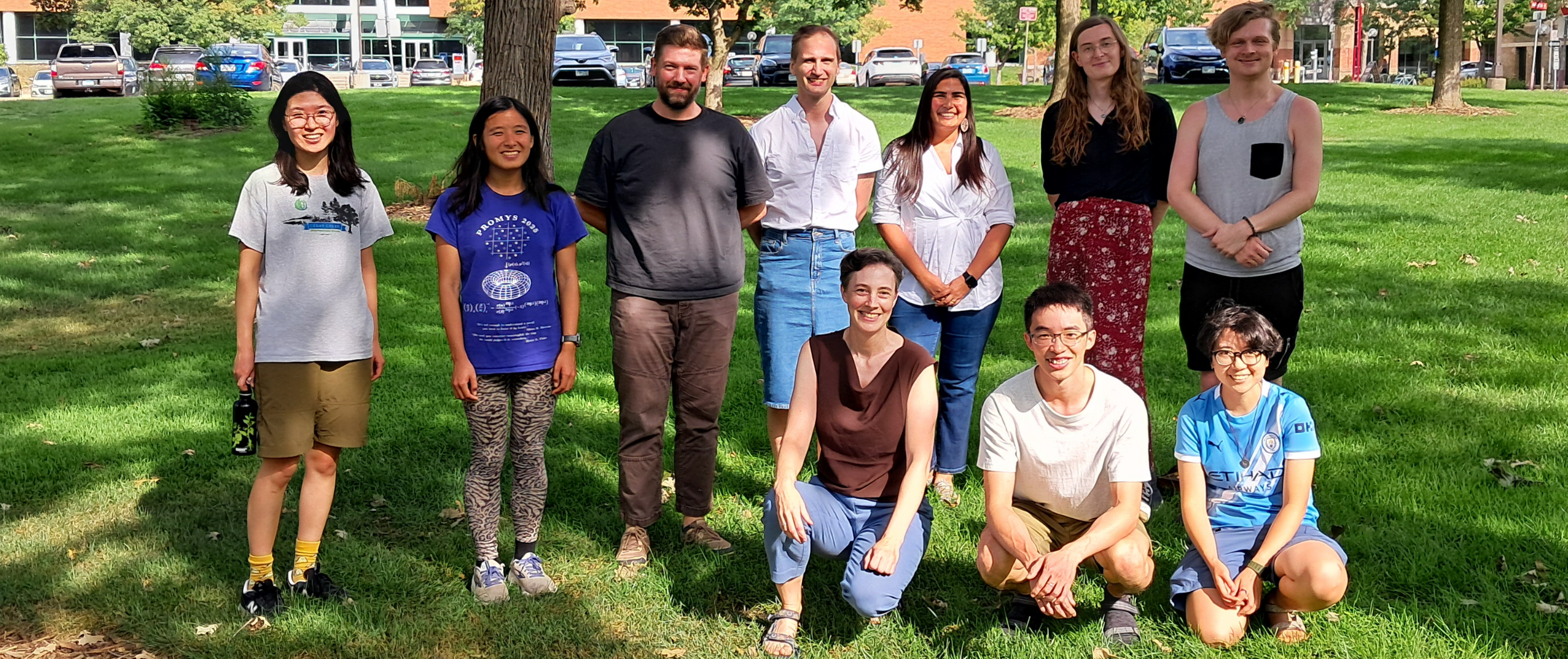
Lab Members
Ching-Lin Huang (2024+ Graduate Student, EEB)
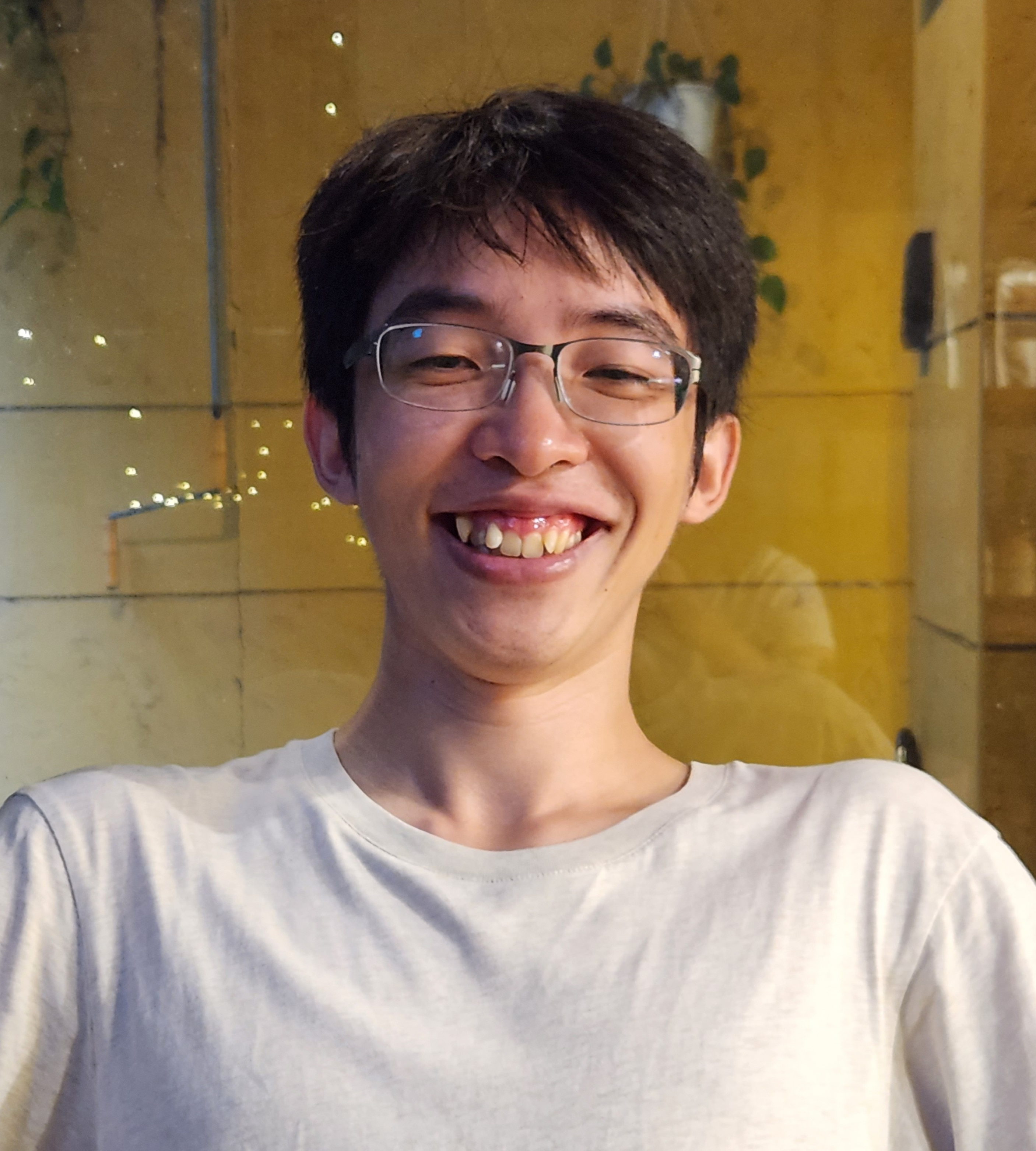
I am interested in using math to study how species interactions shape ecological communities. My particular focus is on interactions in which organisms modify environmental conditions and thereby indirectly influence other species. Using theoretical models, my work explores how this species environment feedback shapes biodiversity as well as the spatial and temporal patterns of ecological communities.
Peter Lutz (2024+ Graduate Student, EEB)
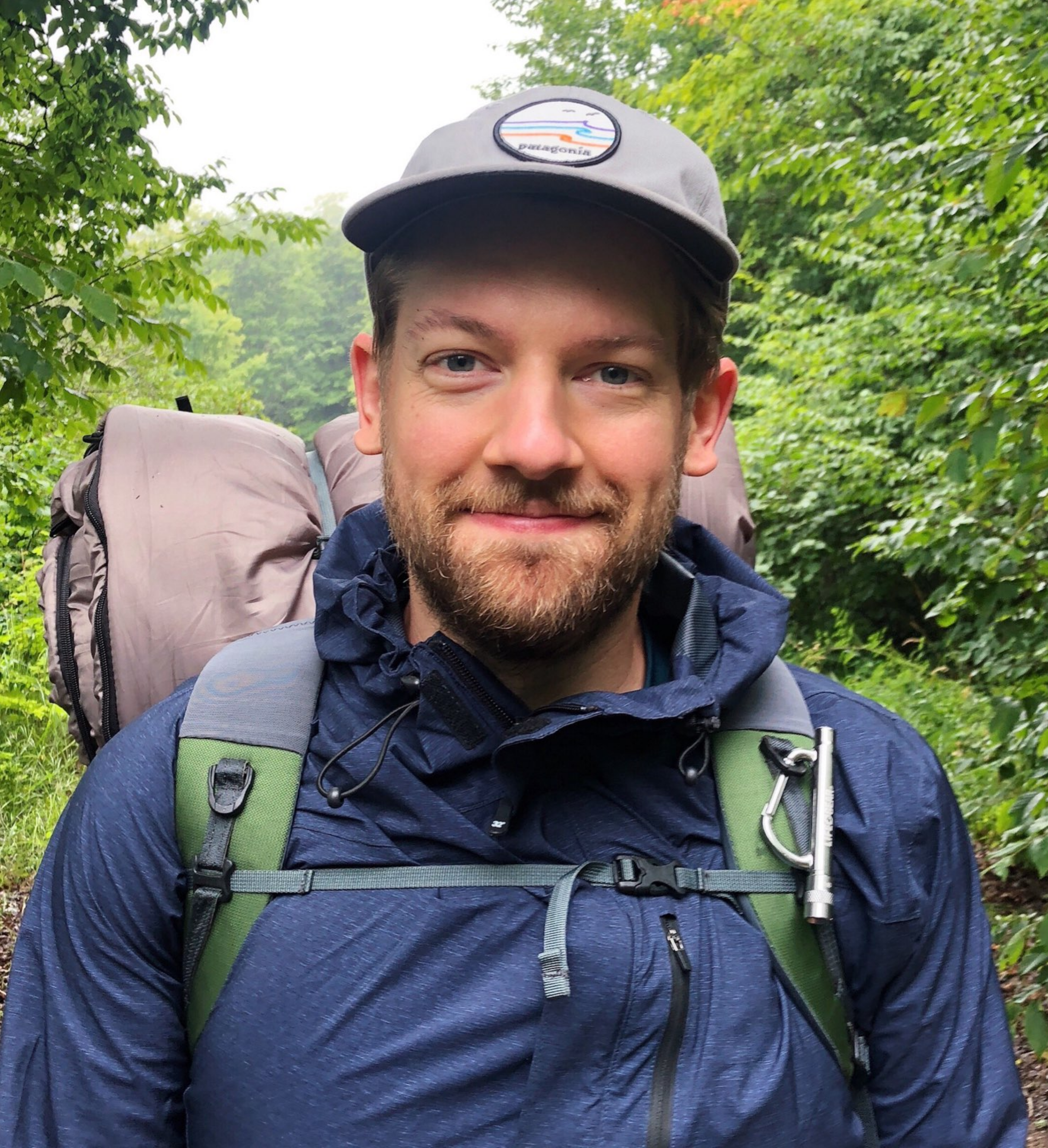
I am interested in using theoretical tools to understand how populations spread through changing environments. Previously, I have used simulations of dispersing species to investigate how their interactions can impact whether they are able to coexist across space. I hope to continue learning how to apply these approaches to questions related to population dynamics and biodiversity.
Mariana Cárdenas-Henao (Teaching and research specialist, EEB)
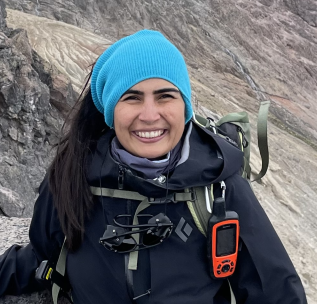
My research focuses on lichen and moss ecology in successional systems from experimental and observational perspectives, with emphasis on their ecosystem roles and biotic interactions in temperate and tropical ecosystems. Additionally, I am passionate about teaching ecology. I am currently focused on developing modules that can be widely used for ecology education from theoretical and experimental perspectives.
Friends of the Lab
We are lucky to currently have a number of folks who often attend lab meetings and otherwise enrich our lab culture:
- Chris Wojan
- Raine MacArthur-Waltz
- Chau Pham
- Caleb Hill
- Paige Yeung
- Maria Park
Recent collaborators
- Briana Abrahms (University of Washington)
- Sonia Altizer (Ecology, University of Georgia)
- Naneh Apkarian (Math, Arizona State University)
- Nina Attias (University of Florida)
- Celina Baines (Ecology and Evolutionary Biology, University of Toronto)
- Beatriz Baselga-Cervera (Ecology, Evolution & Behavior, University of Minnesota)
- Christine Beardsworth (Liverpool John Moores University)
- Roxanne Beltran (University of California Santa Cruz)
- Michael Bertram (Swedish University of Agricultural Sciences)
- Sandra Binning (Biological Sciences, Université de Montréal)
- Ave Bisesi (New York University)
- Kayla Blincow (University of the Virgin Islands)
- Bethanne Bruninga-Socolar (WEST Inc)
- Pete Buston (Biology, Boston University)
- Eleanor Caves (Ecology, Evolution, and Organismal Biology, Brown University)
- Fran Cagnacci (Fondazione Edmund Mach)
- Ying-Chi Chan (Swiss Ornithological Institute)
- Nilanjan Chatterjee (University of Minnesota)
- Meggan Craft (Ecology, Evolution & Behavior, University of Minnesota)
- Kristy Crouse (Ecology, Evolution & Behavior, University of Minnesota)
- Charlotte Devitz (Ecology, Evolution & Behavior, University of Minnesota)
- Leila Fouda (University of New Brunswick)
- Emanuel Fronhofer (Université de Montpellier)
- Richard Hall (Ecology, University of Georgia)
- Arne Hegemann (Lund University)
- Edward Hurme (Max Planck Institute of Animal Behavior)
- Fabiola Iannarilli (Yale University)
- Alexander Karnish (Ecology, Evolution, and Organismal Biology, Brown University)
- Julie Kellner (Woods Hole Oceanographic Institution)
- Kasey Kiesewetter (People, Cities, Nature)
- Katie Krueger (Curriculum and Instruction, University of Minnesota)
- Marie Levet (Biological Sciences, Université de Montréal)
- Frithjof Lutscher (University of Ottawa)
- Stefano Mezzini (The University of British Columbia Okanagan)
- Christopher Moore (California State University, Northridge)
- Thomas Mueller (Goethe University)
- Annika Nelson (Biology, Texas Christian University)
- Stephanie Peacock (University of Calgary)
- Jesús Pinto-Ledezma (Ecology, Evolution & Behavior, University of Minnesota)
- Lea Popovic (Concordia University)
- Elizabeth Pringle (Biology, University of Nevada-Reno)
- Kasim Rafiq (University of Washington)
- Marjo Saastamoinen (University of Helsinki)
- Ana Sequeira (The Australian National University)
- Mitchell Serota (University of California, Berkeley)
- Lou Schlatter (Boston University)
- Petra Sumasgutner (University of Vienna)
- Yun Tao (University of Georgia)
- Colleen Webb (Biology and Mathematics, Colorado State University)
- David Wolfson (University of Minnesota)
- Scott Yanco (University of Michigan)
- Marlene Zuk (Ecology, Evolution & Behavior, University of Minnesota)
- ESEB Special Topic Network on Dispersal and Mating Systems
Theory Group
From 2014-2022 our lab facilitated an informal theory and modeling lab group meeting This group was started by Allison Shaw, Emma Goldberg, and Yaniv Brandvain. Participants were primarily in EEB and PMB, but all with aligned goals and interests were welcome. The aim was to create a forum for provid/aing feedback on ongoing modeling work. We are very pleased that some work presented at theory group has eventually progressed to be a finished project. Here you can view a list of publications that have benefited from feedback during theory group.
Biological Theory Alliance (BioTA)
Allison co-founded (in 2015) and co-ran the University of Minnesota's Biological Theory Alliance (BioTA), which aimed to bring together researchers who use conceptual and mathematical modeling to understand biology (until it ended in 2024).